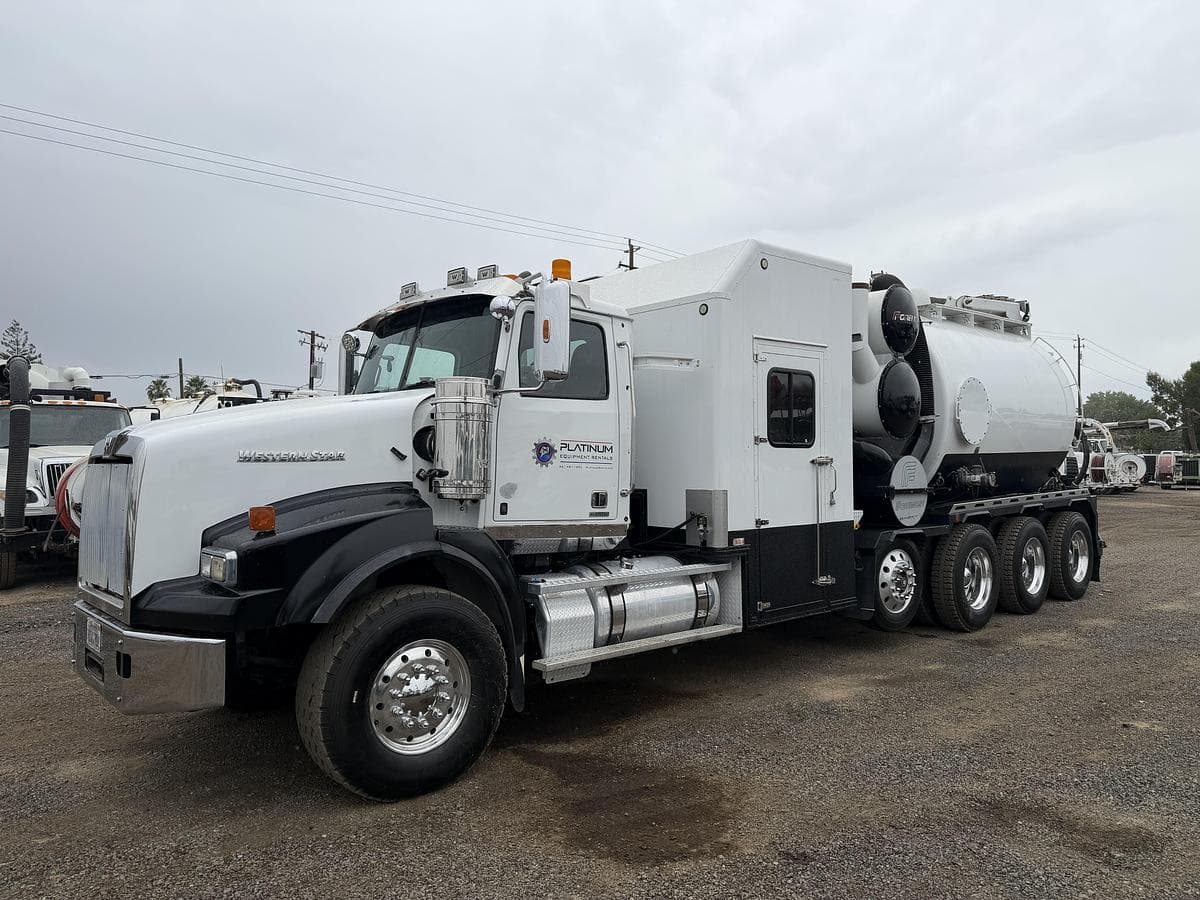
 11photos
Hydrovac Trucks For Sale
A hydrovac truck uses pressurized water and a high-airflow vacuum to excavate soil without mechanical digging, making it the standard tool for safe digging around buried utilities. Vac4Sale has 3 listings for hydrovac trucks across the United States and Canada, priced $265,000 to $305,870.
Every listing below is posted by the party that owns the equipment, with direct seller contact and whatever hours, tank and pump specifications that seller published. Model years run from 2016 to 2023. Listings come from dealers and owner-operators throughout the United States and Canada.
- Live listings
- 3
- Lowest asking (USD)
- $265,000
- Median asking (USD)
- $265,000
- Highest asking (USD)
- $305,870
- Model years
- 2016–2023
- States & provinces
- 2
Hydrovac trucks available now
- 11photos
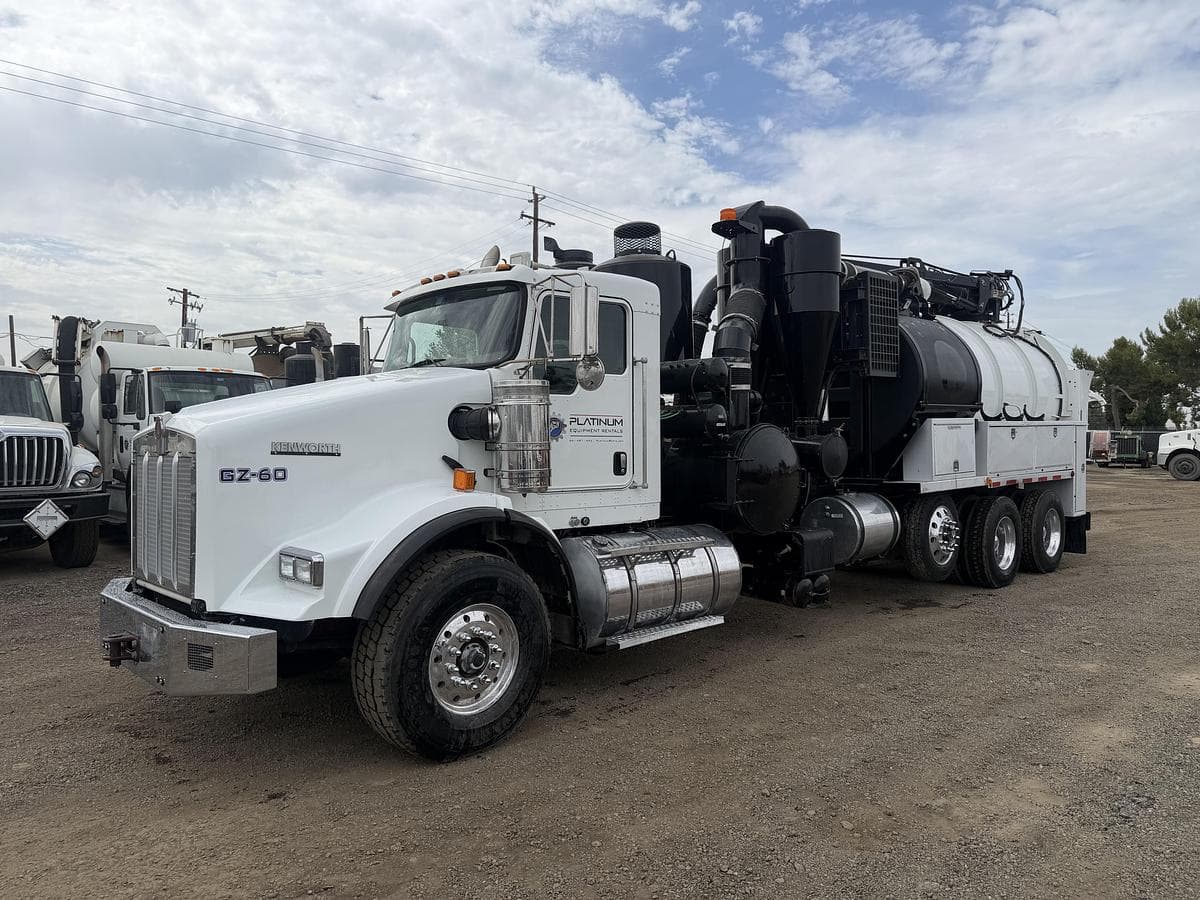 9photos
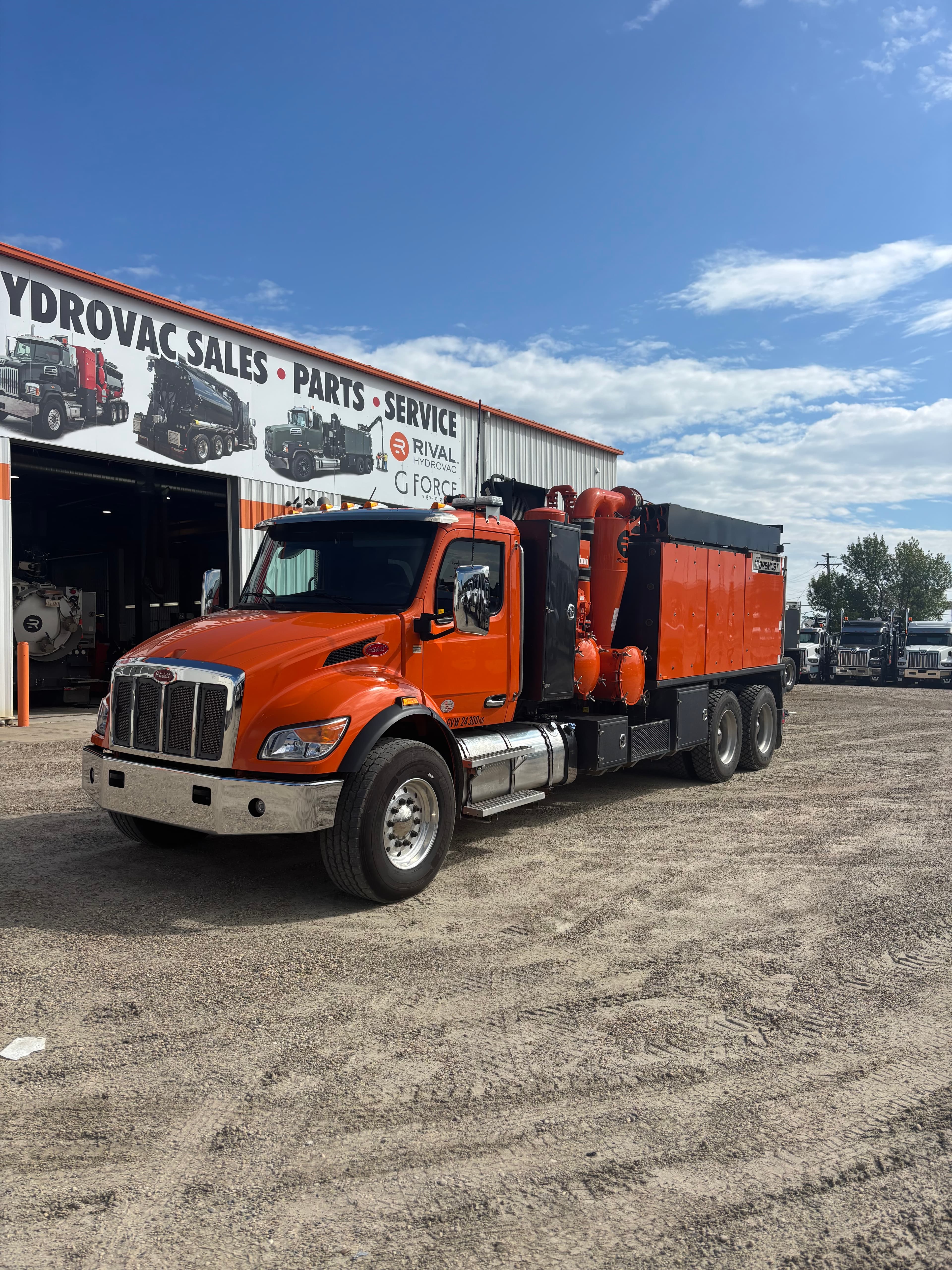 5photos
What hydrovac trucks cost
Across the 3 listings for hydrovac trucks that publish a price, asking prices run $265,000 to $305,870, with a median of $265,000. That is a small sample — enough to bracket what these sellers are asking, not enough to call it a market rate. Figures are asking prices in US dollars, converted at an indicative rate where the seller listed in Canadian dollars, and they move with engine hours, tank capacity and cold-weather equipment far more than with chassis mileage.
What to check before buying
Two units with the same year and the same hours can be worth tens of thousands of dollars apart. These are the specifications and documents to ask a seller for before comparing hydrovac trucks on price.
- Debris tank and water capacity
- Tank size decides how long a crew works between dumps. Around 12 cubic yards of debris capacity with 1,300 gallons of fresh water is the common utility and daylighting spec; 15 cubic yards and 1,500 gallons or more pays for itself on pipeline work where the nearest dump site is an hour away.
- Blower airflow and vacuum
- Airflow in CFM and vacuum in inches of mercury set how deep and how fast the unit lifts spoil. Roughly 5,000 CFM from a positive displacement blower covers standard potholing; deeper digs and long hose runs want a higher rated blower. Ask when the blower was last rebuilt, not just what it is rated at.
- Water pump pressure and flow
- Cutting speed in hard clay comes from the water system: 10 GPM at 3,000 PSI is a typical utility spec. Confirm the pressure holds under load rather than reading it off a spec sheet.
- Cold weather package
- A boiler or hot box, heated valves and a tank heater are what make a hydrovac a year round truck. Without a working heat package the unit is a summer-only asset in any northern market, and retrofitting one is expensive.
- Boom reach, diameter and rotation
- Boom length, hose diameter and rotation arc decide what an operator reaches without repositioning the truck. An 8-inch boom at 27 feet with around 335 degrees of rotation is a common utility configuration.
- Chassis, axles and legal weight
- A full debris tank is heavy. Check the axle configuration and GVWR against the weight limits where the truck will actually work, because a tandem that is legal in one state or province runs overweight in the next.
Read the full vac truck buying guide for inspection procedure, hour and mileage bands, tank certification and how to close the purchase safely.
Frequently asked questions
What is a hydrovac truck?
A hydrovac truck uses pressurized water and a high-airflow vacuum to excavate soil without mechanical digging, making it the standard tool for safe digging around buried utilities. Vac4Sale currently has 3 listings for hydrovac trucks.
How much do used hydrovac trucks cost?
Asking prices for used hydrovac trucks listed on Vac4Sale run $265,000 to $305,870, with a median of $265,000 across 3 listings that quote a figure. That is a small sample — a bracket on what these sellers are asking rather than a going rate for the category. Prices in this market are set mainly by engine hours, tank and pump capacity, and whether the unit carries a working cold-weather package — a low-hour machine with a documented rebuild routinely sells above a higher-spec one without records.
What should I check before buying a used hydrovac truck?
Before buying a used hydrovac truck, check debris tank and water capacity, blower airflow and vacuum, water pump pressure and flow, cold weather package and boom reach, diameter and rotation. Ask for engine hours and the chassis odometer together — in miles or kilometres, whichever the truck reads — the most recent tank certification, and documented rebuild dates for the blower or vacuum pump. Insist on seeing the vacuum and water systems run under real load rather than at idle — cracked seals, weak vacuum and overheating hydraulics are all invisible on a truck idling in a yard.
Does Vac4Sale sell hydrovac trucks directly?
Vac4Sale is a listings marketplace, not a dealer. Every unit is offered by the dealer or owner-operator who owns it, and buyers contact that seller directly through the listing page — Vac4Sale does not broker the sale, take a commission on it, or hold funds. Inspect the equipment and verify title and tank certification with the seller before any money changes hands.
How current are the hydrovac trucks listed here?
Listings on Vac4Sale are posted and updated by sellers, and each hub page reflects the catalog at the moment it was requested. Sold units stay visible briefly so buyers can see what the market actually cleared at, then drop out. If a listing interests you, contact the seller from its page — a seller can mark a unit sold or remove it at any time, and the page comes off the site with it.
Where are most hydrovac trucks for sale located?
The largest concentrations of hydrovac trucks listed on Vac4Sale right now are in California, Saskatchewan. Vac4Sale covers the United States and Canada, and each state and province with live inventory has its own page so you can see what is available within driving distance before arranging transport.
Keep looking
Selling a vac truck?
List it in front of buyers who are already searching for exactly this equipment. Photos, full specs and direct buyer contact — no commission on the sale.